
Dog Feeding Guide: How Much Food Your Dog Really Needs
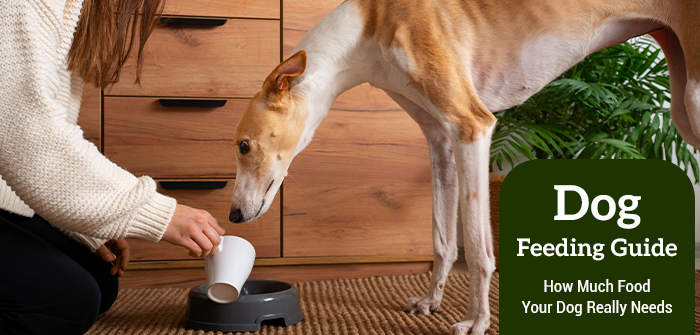
Feeding your dog isn’t just about filling their bowl; it’s about ensuring they get the right nutrition to live a healthy and happy life. However, with so many kinds of foods, feeding/portion guidelines, and conflicting advice, it’s understandable if you feel overwhelmed about how much to feed your beloved dog.
This informative blog will guide you through the essentials of dog nutrition, selecting the right portions, and practical tips for balancing meals and treats. Having these fundamental insights will help you feed nourishing and fulfilling diets to your dog, rather than just following labels.
Let’s get started!
Understanding Your Dog’s Nutritional Requirements
This is where it all starts: understanding that every dog is unique with its own metabolism and health status and therefore has different nutritional requirements. Everything from their age and weight to breed and activity level can influence their nutritional needs (more on that later).
Plus, the goal of every diet should be to maintain the ideal body condition of the pet. This means:
- Keeping your dog at a healthy weight where ribs are easily felt but not visible.
- Maintaining their energy levels for daily activities.
- Supporting growth, development, and overall vitality.
Factors that Impact How Much Should You Feed Your Dog?
Just like no one size fits all, one diet plan cannot suit all dogs. In this segment, we’ll discuss various factors that impact your dog’s nutritional needs.
Age: With age, the nutritional needs of dogs tend to change as per their growth. Puppies require more calories for growth, while seniors may need fewer to prevent weight gain.
Size & weight: Large dogs naturally need to eat more food than smaller ones. However, the portions need to be managed to avoid unnecessary weight gain.
Breed: Some breeds like Labradors are prone to obesity, while others like Greyhounds have faster metabolisms. Therefore, a dog’s breed should be taken into account while deciding feeding quantities.
Activity level: Active or working dogs will naturally require higher energy and will need more food rich in protein and healthy fats.
Body condition score: It’s a vet-assessed score that helps you determine if your dog is underweight, overweight, or ideal. It’s an important factor in determining appropriate feeding amounts.
Type of food: Dry kibble, wet food, raw diets, or homemade meals all differ in calorie density and nutrition, which must be considered while deciding diet portions.
Reproductive status: Neutered or spayed dogs typically need fewer calories than unaltered dogs. Plus, if your dog is pregnant or nursing, she’ll require more calories and nutrients.
Health status: Dogs facing any kind of health issues may require varied amounts of food as per their condition compared to healthy dogs.
How Much Food Should I Feed My Dog?
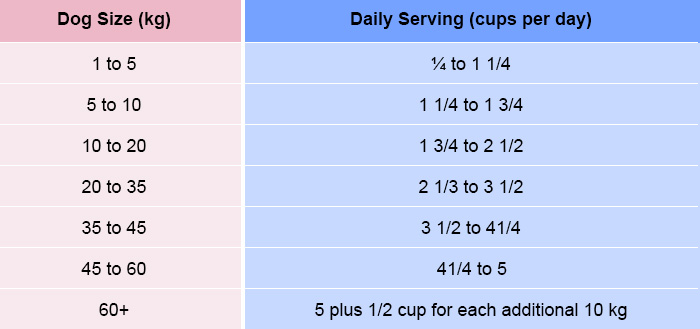
Now that you know the factors to decide dog feeding amounts, let’s better understand how much food you should feed your dog. Typically, the daily feeding amounts vary as per the type of food you select, so check the product labels for instructions. The following dog feeding chart gives you a general idea of the food amount to be given per day:
The above chart gives you a starting point. However, it’s important that you adjust the feeding amounts as you go to maintain your dog’s ideal weight. You can also consult your vet for tailored feeding instructions as per your dog’s individual dietary needs.
How Many Meals Should I Feed My Dog?
Another aspect of feeding your dog well is determining the number of meals to be fed per day. For most dogs, two meals per day are considered the standard; however, different dogs have varied requirements as per their age. Here’s a general guideline by life stage to help you begin:
Puppies (up to 4 months): 3–4 small meals per day.
Puppies (4–6 months): 3 meals per day.
Adults (6 months+): 2 meals per day.
Large/Giant Breeds: 2–3 meals per day.
Seniors: 1–2 meals per day depending on activity levels and health.
What About Treats?
Treats are great rewards and training aids, making them an important part of a dog’s diet. However, you should never replace meals with treats. Here are a few things you must keep in mind while giving treats:
- Always give your dog treats in moderation (no more than 10% of daily calories).
- Choose healthy, natural treats whenever possible, like fruits and vegetables such as carrots, broccoli, and strawberries.
- Avoid feeding table scraps, as human food can cause digestive upsets or may even prove to be toxic for dogs.
- Always check the ingredients of the treats to make sure they are safe for your dog.
- Consult your vet to learn the best ways to include treats in your dog’s diet.
Parting Words
Feeding the right amount of food to your dog plays an important role in nourishing their body and supporting their overall wellbeing. Always keep in mind that the recommended feeding quantities provided on any food product’s label are just a starting point. The quantity or type of food a dog needs may vary individually.
By understanding their unique nutritional needs, adjusting portions based on lifestyle, and balancing meals with healthy treats, you can ensure your dog thrives at every stage of life. Keep in mind the information shared in this blog, and when in doubt, always consult your veterinarian for personalised advice.


