
Cardiac Arrest in Cats: Warning Signs, Causes, and Treatment Options
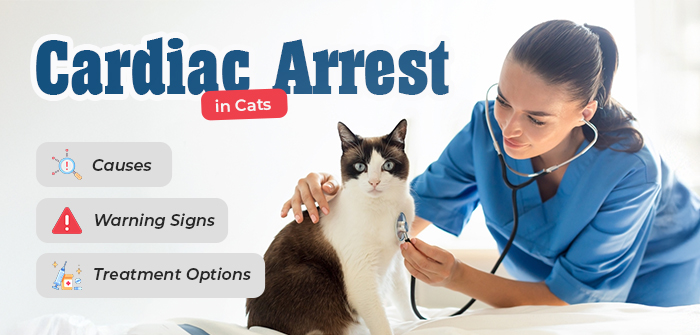
Cardiac arrest in cats is definitely one of the most alarming emergencies and a morbid sight no parent ever wants to witness. It occurs when the heart suddenly stops beating effectively. Unlike gradual illnesses, cardiac arrest strikes suddenly and without warning, leaving little time to react. Therefore, understanding the signs, causes, and treatment options is essential for every cat parent. In such situations, quick recognition and immediate action can mean the difference between life and death.
This guide will walk you through the critical symptoms to watch for and the steps you can take to give your feline companion the best chance of survival. We’ll also explore how the condition is diagnosed, suitable treatments, and what to expect after your cat has experienced cardiac arrest.
Let’s begin with the fundamentals!
Symptoms of Cardiac Arrest in Cats
Since cardiac arrest in cats is an emergency, it’s crucial to be aware of the warning signs to take prompt action and avert what can only be called a disaster.
- Breathing heavily and gasping
- Dilated pupils
- Losing consciousness
- Showing no response to stimulation
- Low body temperature (hypothermia)
- Bluish discoloration of the skin or mucous membranes
- Poor pulse
Causes of Cardiac Arrest in Cats
There are a number of reasons that can cause cardiac arrest in cats. Possible causes of this condition include:
- Abnormally low levels of oxygen in blood
- Low supply of oxygen
- Shock from trauma like a severe injury
- Heart disease
- Abnormally low levels of bodily fluids
- Electric shock
- Metabolic disease
- Electrolyte imbalance
- Anaesthesia for medical procedures
- Blood poisoning from toxic bacteria in the bloodstream
What Should You Do During the Emergency?
If you suspect your cat is experiencing cardiac arrest, time is critical. Immediate action is crucial, as your pet’s life is at stake here. You can take the following measures:
- Call your vet or an emergency animal hospital right away.
- Check for responsiveness and breathing.
- Ensure the airway is clear and remove any obstructions.
- Perform CPR if trained. This involves chest compression. (Only attempt if you know the proper technique).
Do not attempt any home remedies and take them to a professional immediately. Always remember attention and swift response could save your cat’s life.
Diagnosis of Cat Cardiac Arrest
Cardiac arrest is an emergency and requires prompt and accurate diagnosis for the vet to begin the treatment. You will have to provide the vet with your cat’s medical history and details, including the onset and the types of symptoms that appeared. Also, share relevant information such as any injury or exposure to potential toxic substances. This may help the vet determine the underlying cause and take action accordingly.
Typically, the vet will do a physical examination which involves checking any abnormalities in circulation and respiration. They will also regularly monitor your cat’s blood pressure and pulse rates. For determining the cause of the cardiac arrest, other tests such as X-rays of the chest, blood tests, or echocardiography may be performed to understand the condition better.
Treatment of Cardiac Arrest in Cats
Cat cardiac arrest is an emergency and requires prompt veterinary attention or hospitalisation. The primary goal of the treatment is to get the cat’s heart beating again and restore its natural rhythm. Veterinarians do this by clearing the airways and performing cardiopulmonary resuscitations (CPR).
They may also insert a tube into the cat’s trachea to facilitate breathing and administer oxygen to help restore normal levels of oxygen in the bloodstream. Further, they may perform external cardiac massage or rapid chest compressions to stimulate the unresponsive heart.
In case the chest compressions and cardiac massage are unsuccessful, the vet may make incisions in the cat’s chest to provide open chest resuscitations. They may also inject medications directly into the heart as a last resort to restore the heartbeat.
Post-Treatment Recovery
The overall recovery after cardiac arrest depends in part on the underlying causes of the condition. Even after successful emergency treatment, the recovery rate is unfortunately low. Furthermore, the type of treatment employed may also extend recovery time. For instance, in cases where open-chest resuscitations were used, it may require a longer recovery period.
Your cat may need to stay in the hospital for a few days if the condition does not stabilise. During this time, they will frequently check their blood pressure, cardiac function, and respiratory function to monitor recovery and ascertain any further complications.
Ending Words
Cardiac arrest in cats is a frightening and life-threatening condition, but awareness of the warning signs and quick action can make a huge difference. By understanding the causes, recognising the symptoms, and knowing what steps to take, you can give your feline companion the best chance of survival. Always remember in such a situation time is of the essence, and all your efforts must be directed towards getting your pet the right veterinary attention.


