
How to Introduce Dogs to Each Other Safely and Successfully
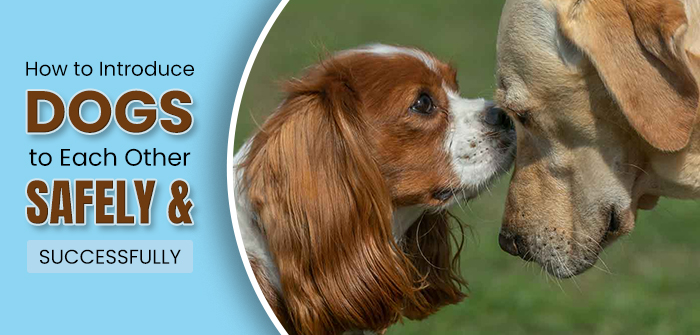
Introducing dogs to each other may seem simple, but it’s a process that requires careful planning and a good understanding of canine behaviour. A rushed or poorly managed introduction can lead to stress, fear, or even aggression, while a well-structured one can set the foundation for a positive and lasting relationship.
Whether you’re bringing a new dog into your home or arranging a meet-up between two pets, the key lies in creating a calm, controlled, and positive experience for both. In this blog, we’re going to help you do just that by equipping you with the right knowledge about the preparation and the actual meet-up. By preparing in advance and following the right steps, you can help both dogs feel comfortable, safe, and more open to forming a bond.
We’re diving right into it!
The Prerequisites of the Introduction
Here are a few things you need to keep in mind while preparing for the dog meet-up:
Dog’s behavioural understanding: Before introducing them to another dog, you must understand your dog’s temperament, triggers, and past experiences. Some dogs are naturally social, while others may be anxious, fearful, or reactive. Pay attention to how your dog behaves around unfamiliar dogs during walks or at parks so you can anticipate their reactions and plan accordingly.
At least two people: One person handling both dogs can be risky. It’s always better to have one handler per dog. This ensures better control and allows each person to focus on their dog’s behaviour, especially if the initial interaction becomes tense.
A leash for control: Both dogs should be on a secure, non-retractable leash. Retractable leashes can reduce control and may lead to sudden tension, which can trigger unwanted reactions.
Spacious, neutral area: You need a calm, open, and neutral location where neither dog feels territorial. Avoid introducing dogs inside your home or in confined spaces. A quiet park or open yard typically works best.
High-value treats: Carry your dog’s favourite treats to reinforce positive behaviour. Reward calmness, relaxed body language, and friendly interactions. Treats can also help redirect attention if either dog becomes overstimulated.
Stay calm and attentive: Dogs are highly sensitive to human emotions. If you’re anxious or tense, your dog may mirror that behaviour. Stay relaxed, observant, and ready to respond calmly if needed.
The Best Way to Introduce Dogs for the First Time
Introducing dogs to each other is a gradual process that should be handled with patience, structure, and close observation to ensure both pets feel safe and comfortable. The following outline can help you ensure a successful meet-up:
Introduce on neutral territory
Have the dogs meet on a neutral territory, preferably an outdoor place that is not familiar to either of the dogs. Make sure they are on the leash so it’s easier to control them. It is also important that the location is spacious so that both dogs have enough space and distance to not get territorial about the place. A park or a yard with few to no people is ideal to avoid the dogs feeling crowded or trapped.
Start with parallel walking
Instead of forcing a face-to-face greeting right away, begin by walking both dogs parallel to each other at a safe distance. This helps them get accustomed to each other’s presence in a low-pressure way. Keep both dogs moving in the same direction, as this reduces tension and prevents direct confrontation. Some dogs may feel comfortable within minutes, while some may take weeks. Over time, you can slowly decrease the distance between them while walking or switch the walking place, allowing both dogs to sniff each other’s smell.
Note each dog’s body language
Carefully observe both dogs for signs of comfort or stress. Relaxed body language, such as a loose posture, wagging tail at mid-height, and soft eyes, indicates they are comfortable. On the other hand, stiff posture, raised fur, growling, lip curling, or prolonged staring are some of the warning signs. If you notice these, calmly increase distance and give the dogs more time. Also, during these walks, keep them on leashes, but avoid keeping them too tight, as it may lead to defensive behaviour.
Gradually close the gap
On further walks, as both dogs begin to appear more relaxed, gradually reduce the distance between them. The goal is to have them walk side-by-side without feeling agitated by each other’s presence. Keep in mind that their responses might shift as they move closer to each other, so don’t rush this step. Let their comfort level guide the pace. If either dog shows hesitation, pause or move back a step and try again after a while or some other day.
Allow brief, natural sniffing
Eventually, when both dogs seem calm, allow a short meeting where both dogs can greet and sniff each other. Keep this interaction short before gently guiding them apart and resume walking, and do this a few times. Keeping the initial contact brief helps prevent overstimulation. Plus, it’s important to end each session on a positive note, as it leaves them with a positive impression and makes future introductions easier. So, end the session when both dogs are calm and comfortable.
Close up play and observation
After a number of short interactions when both dogs are comfortable in each other’s company, allow them to interact inside a fenced area. It’s better to be in close proximity and leave the leashes dragging so you can grab them if needed. Observe the changes in their body language. It’s a good sign if you see them practising play bows, sniffing, or exploring together.
Arrange a home meet-up
Once the dogs are comfortable with each other outside, you can gradually move the interaction indoors. Avoid bringing them straight into tight or high-value areas like sleeping spots or feeding zones. Instead, let them enter the home calmly, preferably together, to reduce territorial behaviour. Make sure that the initial home meetings are in a controlled environment. Removing toys, food bowls, or anything that could trigger possessiveness or competition can help make the meeting go smoothly.
Continuous monitoring after home meet
Even after a successful home meet-up, continue monitoring their interactions closely over the next few days. Gradually increase their time together while ensuring both dogs remain relaxed and comfortable in the shared space.
Parting Words
Successfully introducing two dogs requires patience, preparation, and careful observation. Every dog is different, and their comfort levels may vary, so it’s important to move at a pace that suits them rather than rushing the process.
If you are not sure about their behaviour or notice signs of reactivity, fear, or aggression, you can consult a certified behaviourist or trainer for professional guidance. Always remember with time, consistency, and the right approach, most dogs can learn to get along well and become great companions. Good luck!


