
Top Flea & Tick Prevention Tips for Dogs and Cats in 2026
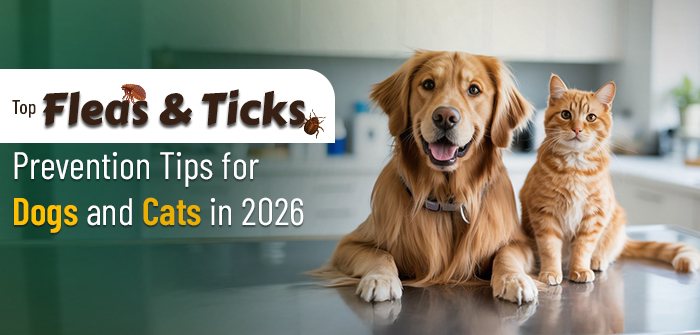
Fleas and ticks may be tiny, but the problems they bring are anything but small. For pet parents, these parasites pose a constant challenge, threatening not only the comfort of dogs and cats but also their overall health. From mild itching to severe health issues, the risks are real and may even extend to humans.
Therefore, as we step into 2026, ensuring year-round protection for our beloved pets is more important than ever. This informative guide will walk you through practical flea and tick prevention tips, along with some popular treatment options. You’ll also understand the key factors to consider while selecting the right prevention treatment to keep your furry companions safe and healthy.
Let’s get started!
What Makes Flea and Tick Prevention Essential in Pets?
Fleas and ticks are small blood-sucking parasites that are surely annoying, but their terror goes beyond just annoyance. These parasites are capable of transmitting several health issues, which can become severe problems if not addressed promptly.
Some of the common issues and diseases are:
- Skin infections
- Dermatitis
- Allergies
- Itching
- Gastrointestinal issues
- Lyme disease
- Rocky Mountain Spotted Fever
Some of these diseases can also spread to humans and fellow pets, making it absolutely crucial to ensure year-round protection against fleas and ticks.
Valuable Flea and Tick Prevention Tips
In this segment, we’ll explore the preventive measures you can take to keep fleas and ticks away from your beloved pet.
Thoroughly clean your house
Keeping your house clean is a fundamental but highly effective measure you can take to keep fleas and ticks at bay. For maximum effectiveness, vacuum your floors, carpets, and mattresses to eliminate all stages of fleas and ticks hiding in your house.
Wash your pet’s bedding
Fleas and ticks often hide in your pet’s bedding, seeking the warmth and humid conditions it provides. Therefore, washing them regularly is another measure you can take to get rid of fleas and ticks. You can follow the thumb rule of washing it at least once a week with warm water. Furthermore, don’t forget to wash their toys.
Keep your yards clean
Your unkempt lawn with overgrown grass and debris of branches, leaves, water puddles, etc., offers ideal humid conditions for fleas and ticks to thrive. So regularly mow your lawn and clear away yard waste, including dead grass, branches, and leaves. Also, wild animals like squirrels, mice, and other rodents often carry parasites and enter your yard. Take measures to keep them away from your pet.
Manage outdoor time wisely
Every time your pet steps outside, they are at risk of getting infested by fleas and ticks. So be mindful and take precautionary measures when going out. Avoid going to heavily wooded areas or areas with tall grasses when out for walks. Routinely check your pet for fleas and ticks behind the ears, under the collar, and between the toes, especially after walks.
Consider weather conditions
Although fleas and ticks are a threat throughout the year, they are more active during the summer months. This period is known as the flea and tick season, and it requires you to be more attentive. However, it’s crucial to keep your guard up regardless of the season or weather conditions.
Call pest control
Sometimes, the flea and tick problem in your house can get too much to handle on your own. In such cases, instead of feeling overwhelmed, it’s recommended to hire pest control professionals. They’ll assess the scale and severity of the problem and take proactive measures to eliminate it.
Consult your vet
Regular vet check-ups are the best way to ensure year-round protection for your pet against fleas and ticks. Depending on age, lifestyle, and health condition, the vet will make sure your pet gets the right treatment. Moreover, they will provide you with a suitable schedule along with an appropriate dosage.
Use flea and tick preventive treatments
Flea and tick treatments are one of the most reliable ways to protect your pets from infestations. These treatments not only kill existing parasites but, with regular administration, also prevent new ones from latching onto your pet. It is also recommended to treat all the pets together if you have multiple pets in your house, as untreated pets can quickly reinfest the treated ones.
Here are some of the most popular flea and tick treatments for dogs and cats you can look into:
Factors to Consider When Selecting the Ideal Flea and Tick Treatment
Selecting the right flea and tick treatment can be challenging. Knowing the following factors will help your selection:
Age and weight: Treatments, be they oral or topical, are often formulated for specific age groups and weight ranges. Using the wrong dosage can be ineffective or even harmful. So, always check the product label to ensure it matches your pet’s profile.
Area and climate: Typically, warm, humid climates often have higher parasite activity, requiring stronger or more frequent treatments compared to cooler areas, so keep that in mind. Also, check which species of fleas and ticks are more prevalent in your area.
Lifestyle: Your pet’s lifestyle heavily influences their exposure to parasites and the need for treatment. Therefore, consider your pet’s daily routine while making the selection.
Medical conditions: Pets with existing health issues may require special consideration. Some treatments may interact with medical conditions, so consult your vet before making any selection.
Safety: Not all treatments are made alike. Cats, for instance, are highly sensitive to ingredients used in dog treatments. Therefore, it’s recommended to confirm that the treatment you select is safe for your pet.
Mode of administration: This is a point about preference. If you have a fussy eater, then choosing topical treatments may be beneficial. On the other hand, if they are allergic to the topical solution, an oral treatment makes more sense there.
Parting Words
Ensuring protection against fleas and ticks requires a mix of resilience, care, and appropriate knowledge. By discussing the preventive tips, popular treatments and selection guide, we have covered the knowledge part in this blog. Now, all you have to do is put this information to good use so your pet can enjoy a healthy and parasite-free life. Good luck!


