
Ragdoll Cats Explained: Origin, Care Needs, and Health Concerns

Ragdoll cats are a popular cat breed known for their striking blue eyes, silky coats, and calm personalities. These felines are more than just beautiful companions; they’re loyal, gentle, and surprisingly trainable. However, behind their relaxed demeanour lies a fascinating origin story, unique care requirements, and important health considerations one must know before welcoming them into their home.
In this informative blog, we’ll explore the fascinating identity of Ragdoll cats. We’ll also break down their grooming needs, temperament, diet, and common health issues. This information will help you decide if this affectionate breed is the perfect fit for your home.
Let’s get started then!
Key Characteristics of Ragdoll Cats
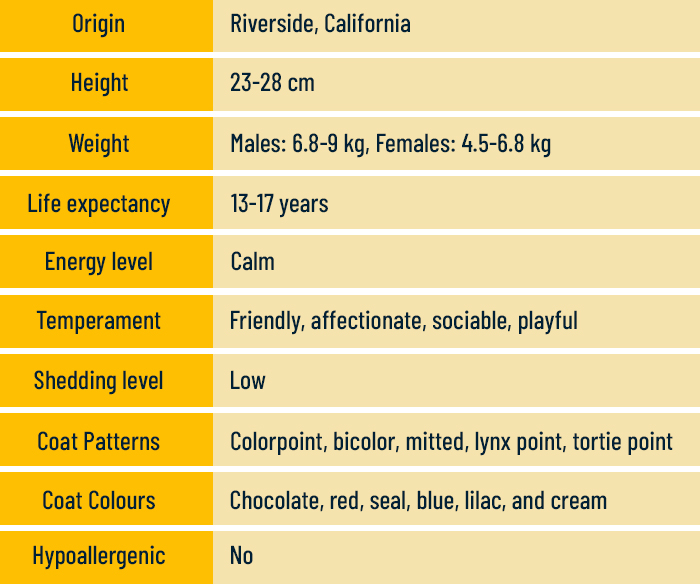
Before taking a deep dive, let’s take a quick overview of the key traits of the Ragdoll Cat breed.
History of Ragdoll Cat Breed
Ragdolls actually have a very interesting history. Let us take you through the lore. So, Ragdolls were developed by the breeder Ann Baker in the 1960s. She started by allegedly breeding Josephine, a white, long-haired angora persian cat that belonged to her neighbour. But this is where it gets interesting!
As per the story, Josephine was once hit by a car, and after her recovery, she was notably tamer. Baker also noticed that after the accident, Josephine produced more docile kittens which went limp when picked up (one of the Ragdoll cat’s trademark behaviours). She observed that she could transmit these unusual traits to future kittens and began careful breeding to create the Ragdoll cat breed.
Understanding the Cat Breed
Ragdoll cats are medium to large, easygoing cats with soft, semi-long coats. They are often characterised by their attractive blue eyes and loved for their calm, affectionate, and social personalities.
These playful cats enjoy interactive toys and games and can even be trained to learn tricks such as fetching or following simple commands. Their intelligence and gentle nature make them responsive to positive reinforcement, which is why many parents find them surprisingly trainable compared to other cat breeds.
Must-know Observations About Ragdoll Cats
In this segment, we’ll cover various aspects of taking care of Ragdoll cats, from grooming and nutrition to behaviour and health issues.
Behaviour and personality
Ragdoll cats are often referred to as “puppy-like cats” owing to their tendency to follow their human parents around. They can prove to be great companions because of their affectionate, gentle, and sociable personalities. Unlike more independent breeds, Ragdolls prefer human interaction and often greet you at the door or curl up beside you. With a calm temperament, they are pleasant and patient towards children and other animals, making them excellent household pets.
Training and exercise
Ragdolls are moderately energetic and are surprisingly easy to train. They can learn simple commands, play fetch, or even walk on a leash with patience and consistency. Since they are naturally docile, training is usually easier compared to more stubborn breeds, but it’s important to keep sessions fun and reward-based. Additionally, their exercise needs are minimal, so you can use interactive puzzle feeders and toys to keep them stimulated.
Grooming requirement
When it comes to grooming, Ragdoll cats require low maintenance despite their long, silky coat. Their fur is less prone to matting compared to other long-haired breeds, but weekly brushing helps reduce shedding and keeps their coat healthy. In addition to brushing, it’s important to establish a basic grooming routine involving nail trimming, ear cleaning, and dental care to ensure overall hygiene.
Diet and nutrition
A balanced diet is essential for maintaining the Ragdoll’s health and preventing obesity, which they are prone to due to their calm nature. They thrive on diets rich in protein, healthy fats, and essential vitamins to support strong muscles and overall health. Serve smaller, frequent portions, as Ragdoll cats tend to overeat if left unsupervised. Additionally, make sure to provide fresh drinking water, ensuring adequate hydration. You can consult your vet to design a breed-specific diet tailored to fulfil their nutritional requirements.
Health conditions
Ragdolls are generally healthy cats, but like all breeds, they have to face certain genetic predispositions. Being aware of the following conditions will help maintain your cat’s health:
Polycystic kidney disease (PKD): PKD is a hereditary condition where fluid-filled cysts form in the kidneys, disrupting the function and possibly leading to kidney failure.
Hypertrophic cardiomyopathy (HCM): It’s another hereditary condition where the heart’s muscle becomes too thick, impacting the flow of blood.
Obesity: Ragdolls are large cat breeds, and due to their laid-back nature, they often face obesity issues. Weight management is crucial, as excessive weight may lead to joint and other health issues.
Bladder stones: Bladder stones are pretty common in Ragdoll cats, and major contributing factors include diet and genetics.
Do Ragdoll Cats Make a Good House Pet?
Absolutely! Ragdolls are one of the most popular cat breeds for families and individuals alike. They are affectionate, calm, and gentle with children, seniors, and even other pets, making them ideal companions. Plus, they adapt well to indoor living and are happiest when they can spend time with their hooman companions. If you’re looking for a gentle, loving, and loyal feline friend, the Ragdoll cat is a wonderful choice!
Even though they require minimal maintenance, there are some aspects of their health and grooming that demand your attention. Keep in mind the characteristics discussed above and consult your vet, and you’ll be ready to welcome a Ragdoll cat into your loving home.


