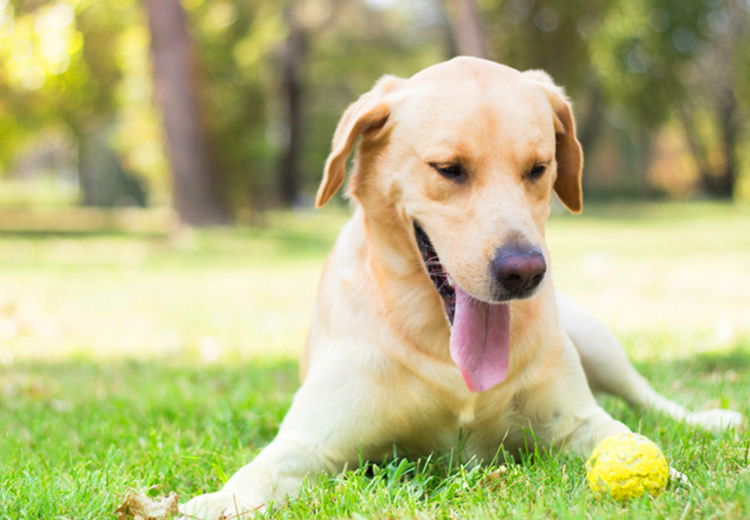
Have you ever wondered why do dogs drag their butts sometimes and whether it’s just one of those quirky behaviours or something more serious? Dog scooting is mostly a sign of underlying discomfort or health issues that warrant attention rather than embarrassment or dismissal. In this blog, we’ll explore the most common causes behind dog scooting, available treatment options, and the warning signs that mean it’s time to book a vet visit. Read on to understand what your dog may be trying to tell you and how you can help them feel comfortable again.
Meaning of Dog Scooting
Dog scooting happens when a dog attempts to relieve an uncomfortable sensation around its rear, whether on the carpet, grass, or floor. Dragging their hindquarters helps them relieve irritation, itching, or pain in their bottom area. While a one-off episode after a loose stool is normal, repetitive scooting behaviour is a tell-tale sign that something’s off.
Causes of Dog Scooting
Dog dragging butt on carpet or floor is a common behaviour that can happen due to various reasons. The following are some of its common causes:
- Anal gland issues
The most common reason for a dog’s scooting butt is the discomfort caused by full anal glands. It happens when a dog’s anal glands get full of a fluid with a strong odour, which is generally used for marking their territory. Although this cause is more common in small-breed dogs, as they have narrower anal gland ducts, it can affect dogs of any breed, size, or age.
- Gastrointestinal worms
Intestinal parasite infestations caused by worms like tapeworms can cause itching and irritation near the dog’s rear end. This may lead to scooting, as it helps relieve the discomfort temporarily. If the cause of your dog’s scooting is gastrointestinal worms, you may also notice other symptoms like diarrhoea, constipation, changes in appetite, etc.
- Matted hair
Dog scooting may also occur due to matted hair, especially when faeces, dirt, or debris are stuck in it. Mats pull the hair, causing itching and irritation, leading to the dog trying to rub it off through scooting. Dragging their rear also helps them get relief from the itching. Long-haired dog breeds like Shih Tzus and Poodles are more prone to scooting because of matted hair.
- Allergies
Allergies caused by food or the environment can lead to itching or irritation around the anal area. The persistent itching can lead to scooting, as it helps them alleviate the irritation. Trying to identify and eliminate the allergens from your dog’s diet or environment can prevent specific allergen triggers and the scooting caused by them.
- Skin infections
Bacterial or fungal skin infections around your dog’s rear end can also trigger scooting. These infections often develop due to excessive moisture, allergies, poor hygiene, or minor wounds that become infected over time. In case of skin infections, you may also notice redness, swelling, foul odour, hair loss, or even discharge around the area.
Treatments for Dog Scooting
The right treatment for dog scooting depends entirely on the underlying cause. Here’s how it’s usually addressed:
- Anal gland expression: If full or impacted anal glands are the issue, a veterinarian or trained groomer can safely express them. In recurring cases, dietary fibre supplements may help your dog naturally empty their glands.
- Deworming: If worms are the culprit, your dog will need a deworming treatment like Milbemax Allwormer or Aristopet Allwormer and a follow-up schedule to prevent reinfestation.
- Grooming matted hair: Regular trimming, brushing, and cleaning around your dog’s rear end can prevent matting and irritation, especially for long-haired breeds.
- Allergy management: Identifying food or environmental allergens and switching diets, or using antihistamines and medicated shampoos, can reduce itching and scooting.
- Skin infection treatments: Skin infections may require topical creams, medicated wipes, or oral antibiotics, depending on severity. This addresses the root cause of the infection and alleviates scooting behaviour.
Products that May Help Manage Scooting
Regardless of the cause of your dog’s scooting butt, managing their anal gland hygiene goes a long way in preventing such behaviour and supporting their anal gland health. Here are some of the products we think can help you manage their anal gland health and reduce discomfort that leads to scooting:
- Glandex Anal Gland Soft Chews for Dogs
Glandex Anal Gland Soft Chews is a nutritional supplement formulated to improve the anal gland function while promoting overall digestion.It helps bulk and firm the stool to naturally express the anal glands every time your dog poops. The supplement contains ingredients like pumpkin seeds and apple pectin, which can help dogs with anal gland irritation find relief and put a stop to scooting.
- Glandex Anal Gland Hygienic Pet Wipes
Glandex Anal Gland Hygienic Wipes are designed to clean your pet’s rear and support their rear-end hygiene between baths. These wipes are gentle enough for your pet’s sensitive areas but strong enough to eliminate strong odours, making them especially beneficial for dogs troubled by stinking anal gland problems and scooting behaviours.
- Natural Animal Solutions (NAS) Anal Gland Support Supplement
NAS Anal Gland Support Supplement is a highly effective supplement designed to ease anal gland discomfort in dogs, helping reduce scooting, irritation, and digestive imbalance. It is formulated with natural fibre, probiotics, and many other essential nutrients that promote healthy gland expression and overall digestive health.
When to Consult a Vet
Occasional scooting isn’t always a red flag, but frequent or intense scooting definitely is. You should schedule a veterinarian’s appointment right away if:
- Scooting happens repeatedly or daily.
- You notice swelling, bleeding, discharge, or a strong odour.
- Your dog seems to be in painor is excessively licking the area.
- You can notice visible worms near the bottom area.
- Your dog is reluctant to sit or is straining to poop.
- Scooting is accompanied by diarrhoea, vomiting, or weight loss.
Early intervention can prevent infections, abscesses, or chronic discomfort, so it’s always better to be safe than sorry.
Final Words
Dog scooting is awkward, and you may want to chuckle nervously or find it plain annoying and pretend as if nothing happened. But here’s the real thing: your dog isn’t being weird or dramatic. Your dog is uncomfortable, and scooting is their way of saying, “Hey, something is wrong, please help!”
Dogs rely on us to notice the small signs of discomfort and take them seriously. So, the next time you notice your dog dragging its butt on the carpet, don’t cringe or neglect, but act. Being a great pet parent isn’t about avoiding the awkward stuff, but doing everything it takes to make them feel better. And trust us, your dog will thank you for helping them.











































_11132025_205157.png)