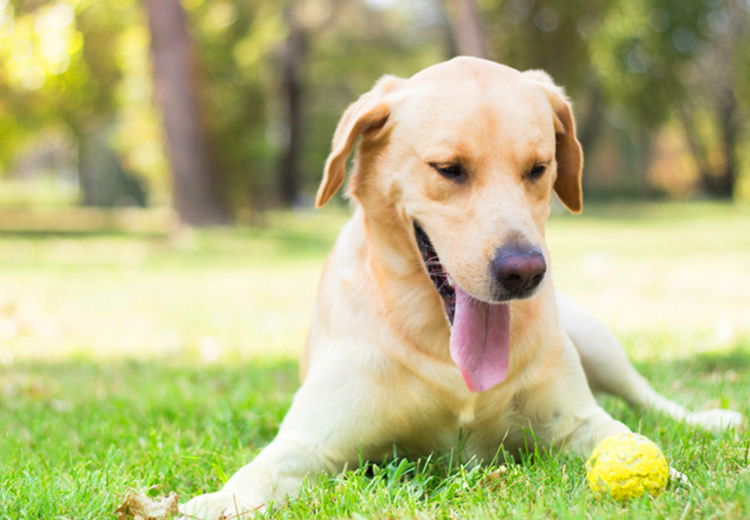
Some dogs love having a canine companion around. Others may prefer being the only pet in the home. If you already have a dog and are thinking about welcoming another paw-buddy, choosing a breed with a social and easy-going nature may help make the transition smoother.
In this blog, we’ll explore dog breeds that are described as friendly and comfortable around other pets. We’ll also discuss the factors you should keep in mind while selecting the new four-legged member for your family.
Let’s get started!
Suitable Dog Breeds for Multi-pet Households
The following is the list of breeds that are worth considering for being the new addition to your home:
Golden Retriever
Of course, we have Golden Retrievers at the top of the list, as they are popular for their friendly and gentle nature. They are often described as patient with other dogs and enjoy being a part of a family. Their playful personality can also make them good companions for dogs with similar activity levels.
Key Characteristics:
|
Height
|
Males: 56–61 cm (22–24 in)
Females: 51–56 cm (20–22 in)
|
|
Weight
|
Males: 30–34 kg
Females: 25–32 kg
|
|
Lifespan
|
10 – 12 Years
|
|
Why they fit
|
Their friendly, social, and playful nature can help them get along well with other dogs.
|
Labrador Retriever
Bred as a hunting and sporting dog, Labrador Retrievers are high in energy and are very popular for various reasons. They are generally social, playful, and usually eager to interact with people and other dogs. Labradors tend to enjoy group activities and can be lively companions for dogs with similar energy levels.
Key Characteristics:
|
Height
|
Males: 57–62 cm (22.5–24.5 in)
Females: 55–60 cm (21.5–23.5 in)
|
|
Weight
|
Males: 29–36 kg
Females: 25–32 kg
|
|
Lifespan
|
10–12 years
|
|
Why they fit
|
Their outgoing and playful temperament can make them comfortable around friendly dogs.
|
Poodle
Poodles are intelligent, active and often very social. They come in standard, medium, miniature and toy sizes, so their size and energy levels can vary. Poodles are generally quick learners and can respond well to training. With proper socialisation, they can make an excellent addition to households with other dogs.
Key Characteristics:
|
Height
|
Standard: Over 38 cm (15 in)
Medium: 35 – 45 cm
Miniature: 28–38 cm (11–15 in)
Toy: Under 28 cm (11 in)
|
|
Weight
|
Standard: Around 20–32 kg
Medium: 9 – 13 kg
Miniature: Around 4.5–7 kg
Toy: Around 2–3 kg
|
|
Lifespan
|
10–18 years
|
|
Why they fit
|
Their intelligence and social nature can help them adapt well to living with other dogs.
|
Beagle
Beagles are curious, cheerful, and energetic dogs that naturally get along with people and come with super adorable looks. They were historically bred to hunt and work in groups, which may contribute to their ability to be naturally comfortable around other dogs. Beagles are fairly comfortable having a playmate and being involved in family activities.
Key Characteristics:
|
Height
|
Males: 36–41 cm, Females: 33–38 cm
|
|
Weight
|
Male: 10 – 14 kg, Female: 9–10 kg
|
|
Lifespan
|
10–15 years
|
|
Why they fit
|
Their pack-oriented background and playful nature can help them enjoy life with other dogs.
|
Cavalier King Charles Spaniel
Cavalier King Charles Spaniels are gentle, affectionate, and generally friendly. The breed often enjoys the company of both people and other pets. Their smaller size and easy-going temperament may help them get along with other small dogs and cats when introduced properly.
Key Characteristics:
|
Height
|
30–33 cm (12–13 in)
|
|
Weight
|
5.9–8.2 kg (13–18 lb)
|
|
Lifespan
|
12–15 years
|
|
Why they fit
|
Their gentle and sociable temperament can make them pleasant companions for other friendly dogs.
|
Something to note here is that breed is only one part of the picture. A dog's age, personality, socialisation and past experiences also affect how well they get along with other dogs.
Factors to Consider While Choosing the Right Companion for Your Dog
Choosing a second dog involves more than picking a breed known for being friendly. Consider the individual dogs and how their personalities and needs may work together. Here are some points to keep in mind:
- Look for a dog with a personality that matches your current dog's nature.
- Dogs with similar exercise and play needs may find it easier to enjoy time together.
- Think about whether your dog will enjoy living with an energetic puppy or prefer a calmer older dog.
- A large difference in size may increase the risk of injury during rough play, especially for smaller dogs.
Parting Words
Bringing a second dog into your home can be a rewarding experience when the dogs are a good match. The breeds covered in this blog may be worth considering, but remember every dog is different. Consider your existing dog’s personality, energy level, age, and needs, and introduce the new companion gradually. We hope you have a pleasant addition to your family!






 Popular Brands
 Popular Brands
 Popular Brands






























_11132025_205157.png)