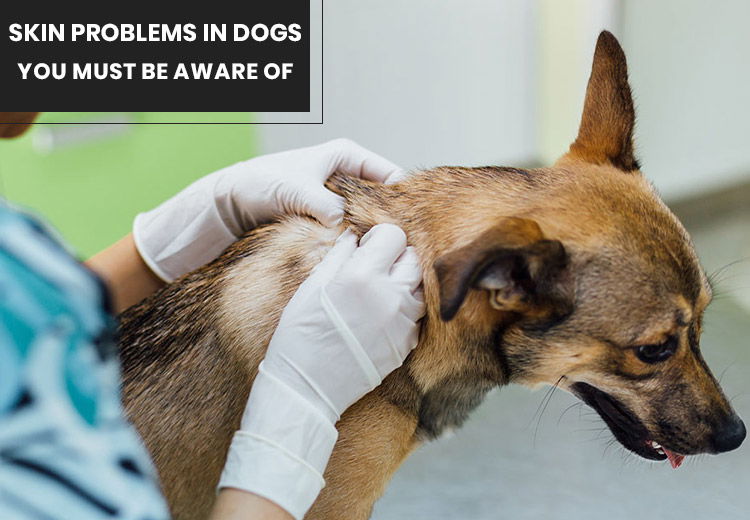
Finding a tick on your dog can be worrying, especially if it is firmly attached to their skin. Ticks are tiny blood-sucking parasites that can also spread diseases affecting your dog's health. The good news is that with the right tools and care, you can remove them at home.
In this blog, we’ll discuss the step-by-step process of safely removing ticks from your dog. We’ll also cover some practical measures to help protect your pet from ticks.
Read on!
What You Need to Remove a Tick
Before you begin, gather a few essentials:
- Fine-tipped tweezers or a tick removal tool
- Disposable gloves
- Pet-safe antiseptic for cleaning the bite area
- A small, sealed container or bag for the removed tick
Choose a calm, well-lit spot. If your dog is restless, ask someone to gently hold and comfort them while you work.
How to Safely Remove a Tick from Your Dog
Follow these steps to remove the tick carefully.
1. Locate the Tick
Put on your gloves and part your dog's fur to see exactly where the tick is attached. Ticks often hide around the ears, neck, paws, armpits, and between the toes.
2. Grip the Tick Close to the Skin
Use fine-tipped tweezers to grasp the tick as close to your dog's skin (at the tick’s mouthparts) as possible. Avoid squeezing its swollen body, as this can push fluids and bacteria into the bite wound.
3. Pull Slowly and Steadily
Pull the tick straight upwards using steady, even pressure. Avoid twisting or jerking it. If you're using a specialised tick removal tool, follow the manufacturer's instructions.
Check that the tick has been removed. If the tick’s mouthparts remain embedded in the skin, don't dig into the area to remove them. Ask your vet for advice if you cannot remove them easily.
4. Clean the Bite Area
Once the tick is out, gently clean the area with a vet-recommended cleanser. Also, wash your hands thoroughly and clean the tools you used. Monitor the bite area for next 1-2 days for any signs of infections, such as redness or swelling.
5. Dispose of the Tick Safely
To dispose of the tick safely, submerge it in rubbing alcohol, place it in a sealed bag or container, and then wrap it tightly in tape before putting it in the bin. Or flush the tick down the toilet after submerging it in rubbing alcohol. You can also place the tick in a sealed container or bag if you want to keep it for species identification by your vet.
What Not to Do When Removing a Tick
Some common home remedies may not be reliable or increase the risk of complications. Avoid these mistakes:
- Don't use your fingers, as you may squeeze the tick or come into contact with its fluids, either of which is not good.
- Never burn the tick with a lit match or a hot object. This fails to remove the tick safely and may hurt your dog’s skin.
- Don't apply oil, petroleum jelly, or nail polish. These methods are unreliable and can delay removal.
- Don't pour alcohol on the attached tick. It’s better to remove it manually rather than trying to make it detach with chemicals.
When Should You Contact a Vet?
Ticks can cause irritation or transmit various diseases. So, monitor your dog’s health closely after removing the tick. Contact your vet if you notice unusual tiredness, scratching & biting, reduced appetite, fever, weakness, limping, redness, vomiting, or changes in behaviour. Some tick species can cause serious illness, so don't wait for symptoms to worsen.
How to Help Prevent Ticks on Your Dog
Here are some preventive measures that can help you protect your dog from the dread of ticks:
- Regularly check your pet for ticks and other external parasites.
- Schedule regular vet appointments for routine check-ups.
- Maintain a consistent grooming regime.
- Avoid heavily wooded areas or areas with tall grass where ticks may be present.
- Use vet-recommended flea and tick treatments consistently.
- Keep your garden clean and the grass short to reduce tick habitats.
Final Thoughts
Well, now you know what to do the next time you spot a tick on your doggo! Always use the right tools, follow the correct removal steps, and keep an eye on your dog for any unusual symptoms after a tick bite. And remember, if you're unsure about removing a tick or notice any signs of illness, consult your veterinarian.






 Popular Brands
 Popular Brands
 Popular Brands































_11132025_205157.png)